
How to Choose the Best Plumbers in Venice, Florida: 7 Things Every Homeowner Should Know
March 2, 2026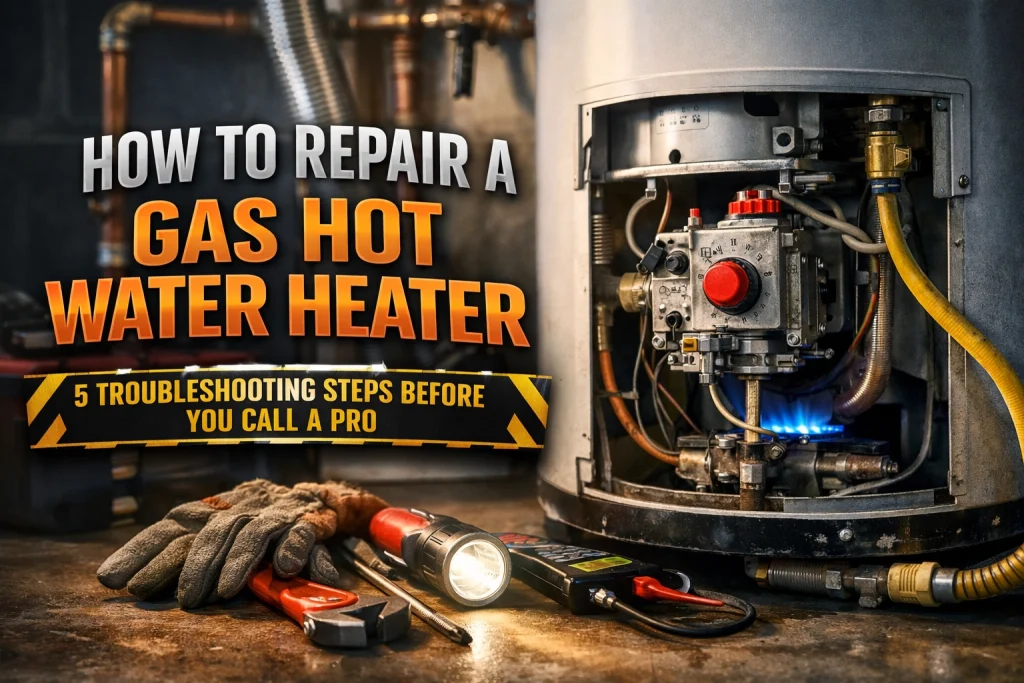
Nothing disrupts a peaceful morning in Venice, Florida, quite like stepping into a shower only to be met with a blast of icy water. When your gas water heater stops performing, your first instinct might be to panic or immediately search for emergency services. However, understanding how to repair a gas hot water heater often starts with a few simple investigative steps that you can perform safely on your own.
At Babe’s Plumbing, Inc., we believe in empowering our neighbors in Sarasota County with the knowledge to identify minor issues before they turn into costly repairs. While gas appliances require a high level of caution, many common “failures” are actually simple setting errors or minor interruptions that don’t require a full service call.
In this ultimate guide, we will walk you through five essential troubleshooting steps to help you fix gas water heater issues safely and efficiently.

Safety First: The Non-Negotiable Rule
Before we dive into the mechanics of how to repair gas water heater units, we must address the most important factor: your safety. Working with gas carries inherent risks that water or electrical repairs do not.
The “Rotten Egg” Test
Natural gas is odorless, but utility companies add a chemical called mercaptan to give it a distinctive “rotten egg” or sulfur smell.
Action Step: If you smell gas at any point during your troubleshooting:
- Stop immediately. Do not light matches or use a lighter.
- Do not operate electrical switches. Even flipping a light switch can create a tiny spark.
- Evacuate the premises. Get everyone out of the house.
- Call from a neighbor’s house. Contact your gas provider or emergency services from outside the home.
If there is no smell of gas, you can proceed with the following troubleshooting steps to see if you can resolve the issue without professional intervention.
Step 1: Perform a Comprehensive Safety and Environment Check
The environment around your water heater matters just as much as the internal components. Often, a “broken” heater is simply a victim of its surroundings.
Pro Tip: Ensure the area around your water heater is clear. Many homeowners in North Port and Englewood use their utility closets for storage. If boxes or cleaning supplies are crowded around the base of the unit, they can block the air intake, preventing the burner from staying lit.
Check for any signs of leaking water around the base. If you see significant pooling, you might be dealing with a tank failure rather than a gas issue. For more insight on recognizing these issues, check out our guide on 5 signs your home’s plumbing needs attention.
Step 2: Inspect the Thermostat and Temperature Settings
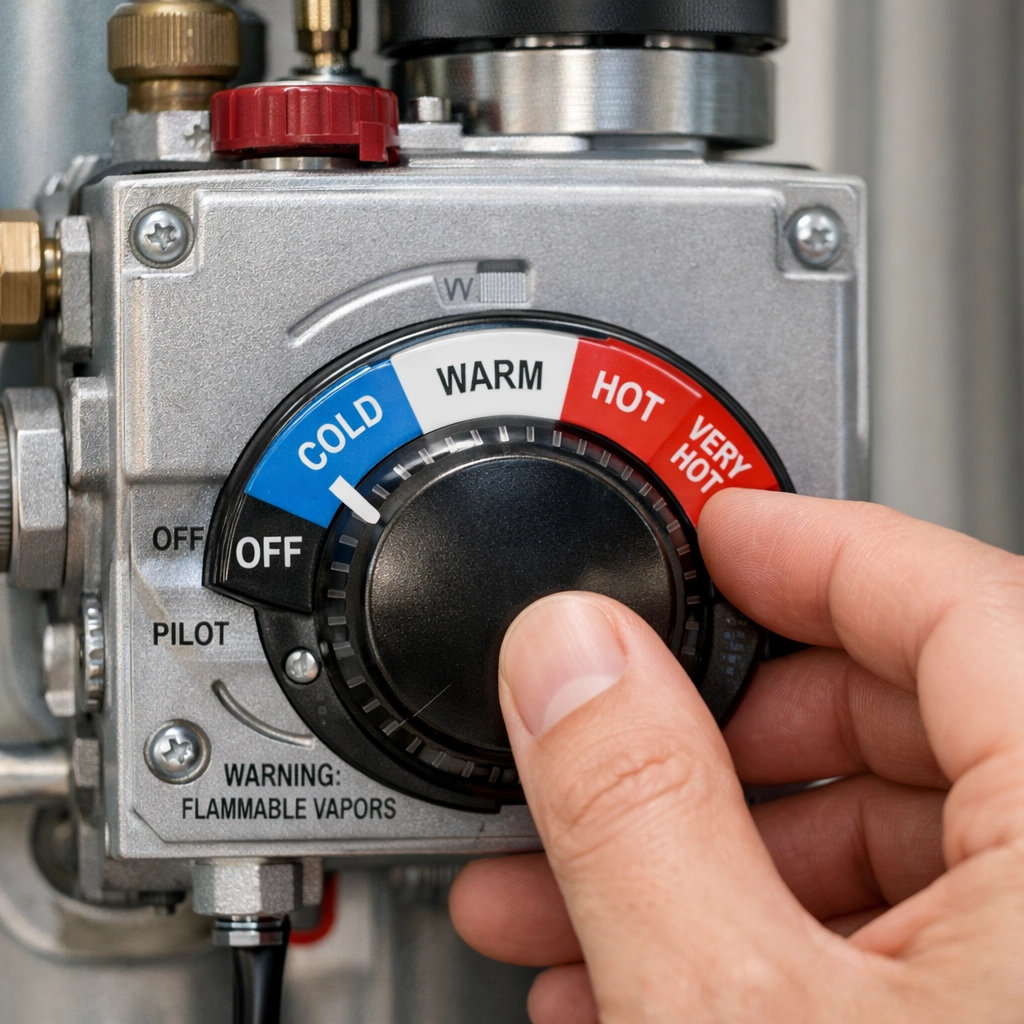
It sounds simple, but you would be surprised how often a dial is accidentally bumped or turned down by a curious child or during a cleaning spree. When you are looking for how to repair a gas hot water heater, always check the obvious controls first.
Action Step: Locate the gas control valve (the box on the side of the heater). Look at the temperature dial.
- Is it set to “Pilot” or “Vacation”?
- Is the temperature set too low?
The U.S. Department of Energy recommends a setting of 120°F (49°C) for most households to prevent scalding and maximize energy efficiency. You can read more about optimal water heating settings here. If the dial was turned down, simply move it back to the desired range and wait 30 minutes to see if the water begins to warm up.
Step 3: Confirm the Gas Supply is Active
If your water heater isn’t heating, it may not be receiving the fuel it needs. To fix gas water heater problems effectively, you must verify the fuel line is open and flowing.
Action Step:
- Check the Valve: Locate the gas shut-off valve on the pipe leading to the heater. The handle should be parallel (in line) with the pipe. If it is perpendicular (crossing the pipe), the gas is off.
- Verify Other Appliances: If you have a gas stove or a gas fireplace, try turning them on. If they aren’t working either, the problem is likely with your main gas supply or a meter issue, rather than the water heater itself.
If the gas is on but the heater isn’t working, the problem likely lies within the pilot assembly or the burner.
Step 4: The Visual Inspection of the Pilot Light
Most modern gas water heaters have a small viewing window or a removable metal cover at the bottom. This allows you to see if the pilot light is active. The pilot light is a small, constant flame that ignites the main burner when the thermostat calls for heat.
What to look for:
- A healthy flame: This should be a steady, blue cone of fire.
- A struggling flame: If the flame is yellow or flickering, it may indicate a dirty pilot orifice or a lack of oxygen.
- No flame: If you see nothing, the pilot has gone out.
Knowing how to repair gas water heater issues often involves understanding why this flame went out. Sometimes it’s a simple draft; other times, it’s a failing part.
Step 5: Master the Art of Relighting the Pilot
If the pilot light is out, you can attempt to relight it yourself. Most units manufactured after 2003 have an “automatic” igniter (a piezo igniter), which means you don’t even need a match.
How to repair a gas hot water heater pilot light:
- Turn the gas control knob to the “Off” position and wait five minutes for any residual gas to clear.
- Turn the knob to “Pilot.”
- Press and hold the knob down. While holding it, press the ignition button (usually a red or black button) repeatedly until you see a flame through the viewing glass.
- Important: Once the flame is lit, continue to hold the knob down for about 60 seconds. This allows the thermocouple (a safety sensor) to heat up.
- Slowly release the knob. If the flame stays lit, turn the knob to the “On” position. You should hear a distinct “whoosh” as the main burner ignites.
If the pilot light goes out the moment you release the knob, or if it goes out shortly after the burner starts, you likely have a faulty thermocouple. This is one of the most common reasons homeowners need to fix gas water heater units, and while the part is inexpensive, replacing it requires precision.
When DIY Isn’t Enough: Knowing When to Call Babe’s Plumbing
We applaud the DIY spirit of our Venice, FL residents. However, certain repairs move beyond the scope of simple troubleshooting. If you have tried the steps above and still have no hot water, it’s time to call in the professionals.
You should call Babe’s Plumbing, Inc. if:
- The pilot light will not stay lit after multiple attempts.
- You see soot or black marks around the base of the heater (indicating a combustion issue).
- The water heater is making loud “popping” or “rumbling” sounds (often caused by sediment buildup).
- The gas control valve itself appears damaged or is leaking.
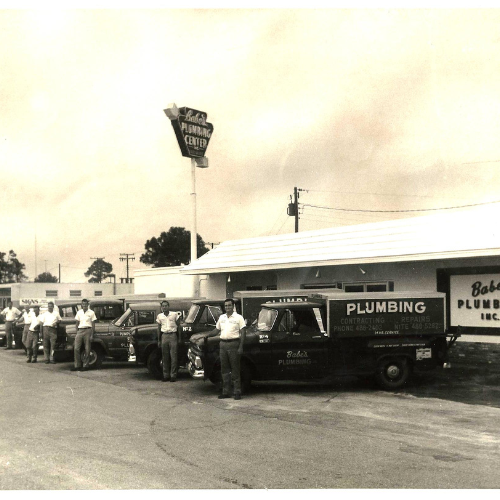
At Babe’s Plumbing, Inc., we have served the local community since 1957. Our technicians are experts in gas line safety and water heater repair. Just ask Fred in Venice or Marjory in Nokomis, who have experienced our commitment to quality service firsthand.
Frequently Asked Questions
1. Why does my pilot light keep going out?
The most common culprit is a worn-out thermocouple. This safety device shuts off the gas if it doesn’t sense heat. If it’s dirty or bent, it can’t do its job. A strong draft in the utility room can also blow it out.
2. Is it safe to relight my own water heater?
Yes, as long as you follow the manufacturer’s instructions located on the side of the tank and ensure there is no smell of gas before you begin. If you are uncomfortable, it is always better to call a licensed plumber.
3. How long does a gas water heater usually last?
Most gas water heaters last between 8 and 12 years. If your unit is over a decade old and starting to fail, it may be more cost-effective to replace it with a high-efficiency model rather than continuing to fix gas water heater components.
4. Can I change the temperature myself?
Absolutely. Just be careful not to set it too high. Settings above 140°F can cause third-degree burns in seconds, especially in households with children or the elderly.
Conclusion: Get Your Hot Water Back Today
Understanding how to repair gas water heater issues doesn’t have to be overwhelming. By checking your safety environment, thermostat, gas supply, and pilot light, you can often solve the problem in under an hour.
However, when the troubleshooting ends and the problem persists, don’t risk your safety or the integrity of your home’s gas system. Whether you are in Venice, Englewood, or North Port, Babe’s Plumbing, Inc. is ready to help you get your hot water back.
Don’t settle for cold showers! If you’ve tried these steps and still need to how to repair a gas hot water heater, contact the experts who have been trusted by your neighbors for generations.
Contact Us:
Babe’s Plumbing, Inc.
510 Tamiami Trl N, Venice, FL 34285
Phone: (941) 488-2402
Website: www.babesplumbing.com